
Continuous Integration and Continuous Delivery
(CI/CD) 🚀 has become essential for delivering software quickly and
reliably, but it's important to have a solid strategy in place before
implementing it everywhere.
When I first started with CI/CD
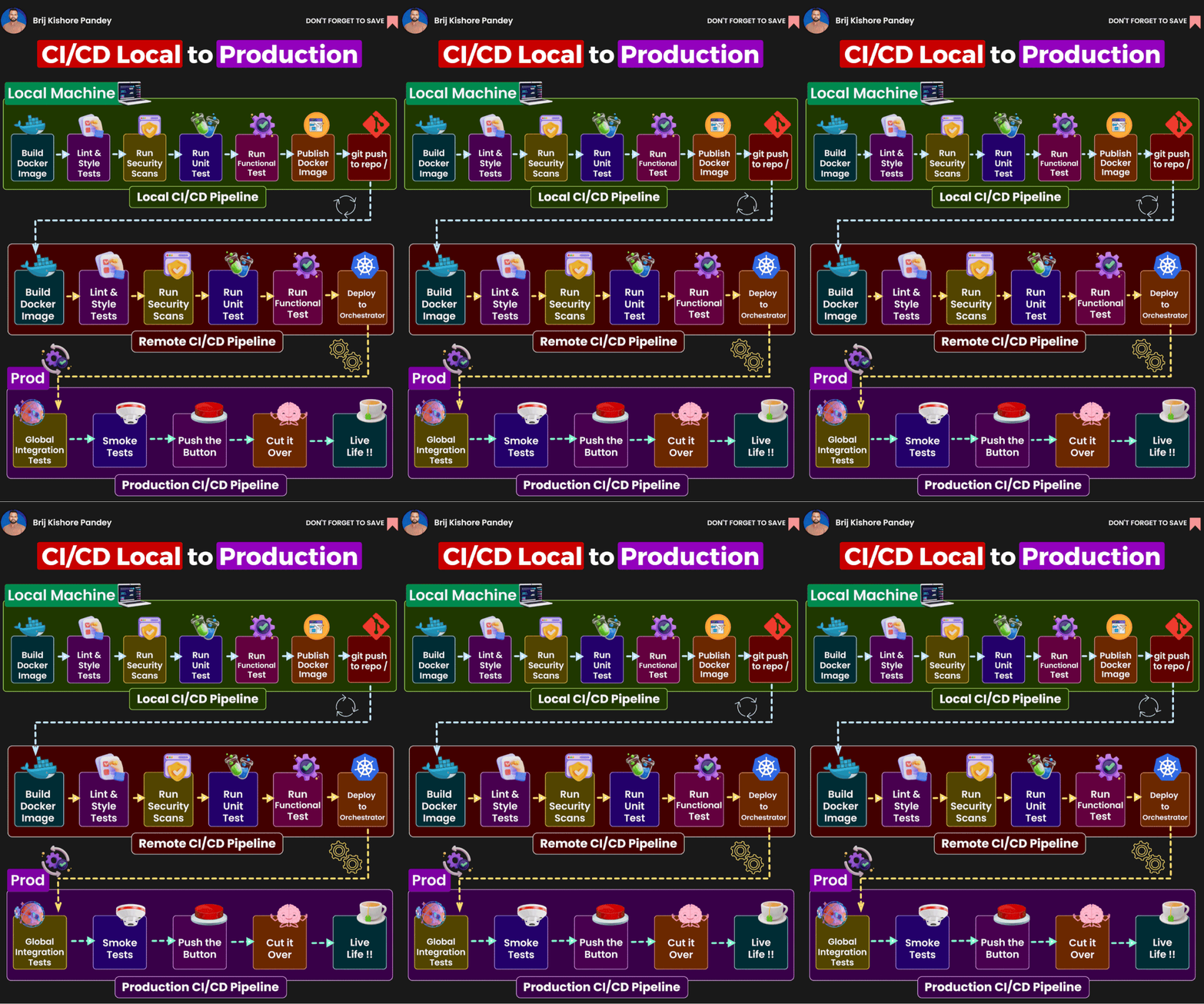
practices about 6-7 years ago, I had this workflow diagram 🖼️ created
by some unknown source that I found helpful.
This diagram is still valid and serves as a reminder to follow these key steps when adopting CI/CD:
👉
Start with a single pipeline. Don't try to automate everything at once.
Pick one pipeline that's a good fit and get it right before expanding.
This will allow you and your team to learn operating CI/CD and address
surprises upfront.
👉 Build institutional knowledge 🧠. As you
automate more pipelines, you'll accumulate knowledge. This will prove
invaluable as you scale your CI/CD implementation.
👉 Remove
barriers between dev and ops. CI/CD makes it easier to align dev and
ops. Ensure your tools and processes enable collaboration between the
teams.
👉 Automate 🤖 as much as possible. Automation is key for
managing CI/CD at scale. Use it to standardize and streamline builds,
tests, deployments.
👉 Monitor 📈 everything closely. Monitor
your pipelines and systems to quickly catch and fix issues. Track key
metrics like lead time, deployment frequency, test coverage.
👉 Get leadership and teams 💼 buy-in before adopting CI/CD. Make sure they understand the benefits and support the initiative.
👉 Educate your teams 👥 on CI/CD practices and tools. This will ensure everyone understands how to use and operate CI/CD.
👉 Choose tools 🛠️ and technologies suited to your needs and constraints.
👉 Start small 👶 then scale up 🔼. Don't overdo it early on. Pilot on low-risk projects, then expand from there.
Source/Credits